UGC vs Brand Content: Which Performs Better on TikTok in 2026
Every brand is being told to invest in UGC. Some of that advice is right. A lot of it is missing the point entirely. Here is what the data from our campaigns actually shows.

Zahira Jaigirdar
7 April 2026 · 5 min read
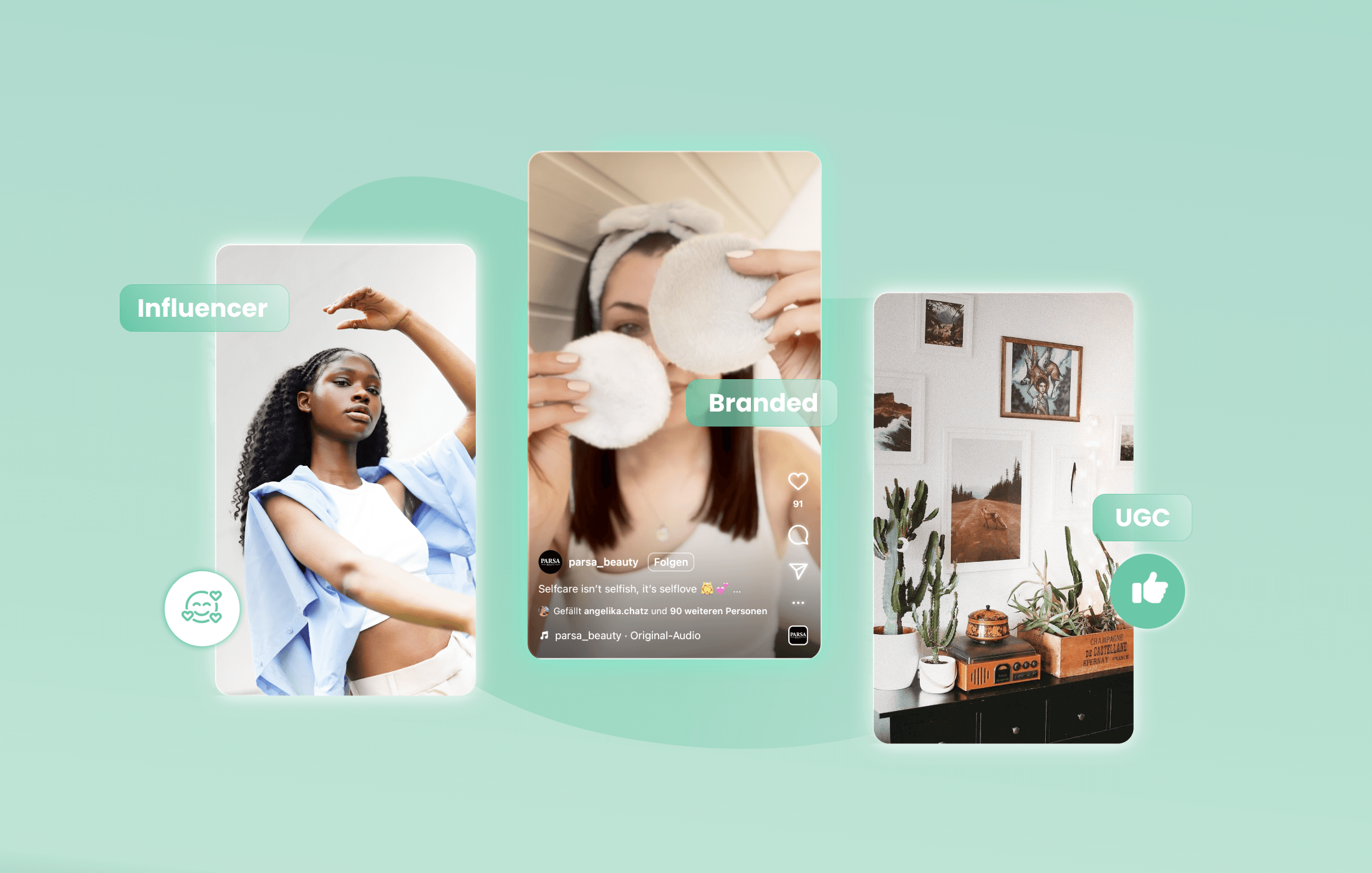
There is a version of this debate that has been going on for three years now and it tends to produce the same unhelpful answer: "it depends."
It does depend. But on specific things. And once you understand what those things are, the answer gets a lot clearer.
We have run both at scale, across dozens of brands, across beauty, fashion, food, finance, and lifestyle. Here is what we have actually seen.
What UGC gets right
UGC works because it solves a problem that brand content cannot solve no matter how good your production team is: it looks like it was made by a real person.
TikTok users have developed an extraordinary sensitivity to content that doesn't belong on the platform. Polished intros, branded lower thirds, spokesperson delivery, anything that pattern-matches to "this is an ad" gets scrolled past before the person even consciously registers what they were looking at. This happens in under a second. No amount of clever creative fixes it.
UGC bypasses that filter because it mimics the native language of the platform. Phone camera, natural lighting, direct address, slightly imperfect. The brain doesn't flag it as an ad, so it actually gets watched.
This is not just an aesthetic preference. Research on persuasion shows that when people's guard is down, they process information more openly. The same message delivered through UGC lands differently to the same message delivered through a polished brand video, even when the content is word for word identical.
What brand content gets right
Here is what UGC advocates tend to understate: UGC has a trust ceiling.
A creator saying "I love this product" builds initial credibility through their existing parasocial relationship with their audience. But it doesn't build brand equity. The viewer remembers the creator, not the brand. And if the creator posts about a competing product six weeks later, that trust transfers too.
Brand content, done well, builds something different. Consistency of voice, visual identity, a recognisable perspective on the world. These things compound. A brand that shows up on TikTok with a clear point of view over 18 months builds something that no single creator post can replicate.
The brands that are winning on TikTok right now are not choosing between UGC and brand content. They're using UGC for discovery and conversion, and brand content to build the identity that makes people want to discover them in the first place.
The omni-channel approach is where this actually gets interesting
The brands getting the most out of TikTok in 2026 are not choosing between UGC and brand content. They are running both, intentionally, as different layers of the same strategy, each one doing a specific job.
Think of it as a funnel with different formats at each stage.
At the top, you have reach content: creator-led UGC, trend-responsive videos, broad hooks designed to pull in people who have never heard of you. This content prioritises watch time and shares over conversion. It is not trying to sell. It is trying to get your brand in front of the right people for the first time.
In the middle, you have credibility content: product-in-use videos, educational explainers, founder perspectives, behind-the-scenes. This is where the product shows up in a real-life setting, used by a real person, in a context that feels earned rather than staged. Someone who found you through the reach layer and went to your profile now sees the product doing what it actually does. The format feels native. The trust builds.
At the bottom, you have conversion content: specific, direct, benefit-led. This can be UGC or brand content. What matters is that it meets someone who already knows who you are and gives them a clear reason to act.
The reason this works is that different people at different stages of awareness need different things. Someone who has never heard of your brand is not going to convert from a product demonstration. Someone who has been following you for three weeks and already trusts you does not need another reach hook. Serving both with the same content format is why most brand TikTok accounts have either views or sales but rarely both at the same time.
The format mix is not a one-size-fits-all answer. It depends on your category, your product, and how much existing awareness you have. But the principle holds: UGC and brand content are not competing strategies. They are complementary tools, and the brands building real audiences on TikTok are deploying both with intention.
The honest answer
If you're a brand with no TikTok presence and you need to start building one, UGC from the right creators is probably your fastest path to results. It generates content quickly, it performs well in the short term, and it gets your product in front of audiences that wouldn't have found you otherwise.
If you're building for the long term, you need both. Creator content for reach and conversion, brand content to build the identity that makes reach worth having.
The brands that are going to be hard to displace in two years are the ones that have been doing both consistently, learning from what works, and building a library of content that compounds. Not the ones that ran a UGC campaign in Q4, saw a spike, and called it a TikTok strategy.
Zahira Jaigirdar
Founder & Creative Director
Zahira founded The Social Vision to help brands build real audiences through short-form content. She has overseen campaigns generating over 200M views across TikTok, Instagram Reels, and YouTube Shorts.